Should You Add On to Your Existing Home or Build a New, Bigger House?
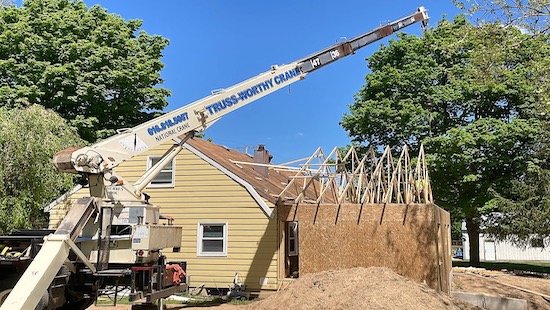
As families grow and lifestyles evolve, the need for more space becomes inevitable. When faced with the challenge of accommodating these changes, many homeowners find themselves at a crossroads: Should you add on to your existing home or start fresh with a new, larger house? While both options have their merits, this article explores why adding an addition to your current home can be a smarter, more beneficial choice for many homeowners.
1. Preserve the Emotional Value of Your Current Home
Homes often carry significant emotional value. They’re where memories are made, milestones are celebrated, and families grow. An addition allows you to retain all those cherished connections while still adapting your space to meet your needs.
Building a new home might mean leaving behind the neighborhood you’ve come to love, the schools your children attend, or the community connections you’ve built over the years. By adding on to your current home, you can expand your space without losing the intangible benefits of staying in a place that feels like home.
2. Tailored Customization to Fit Your Needs
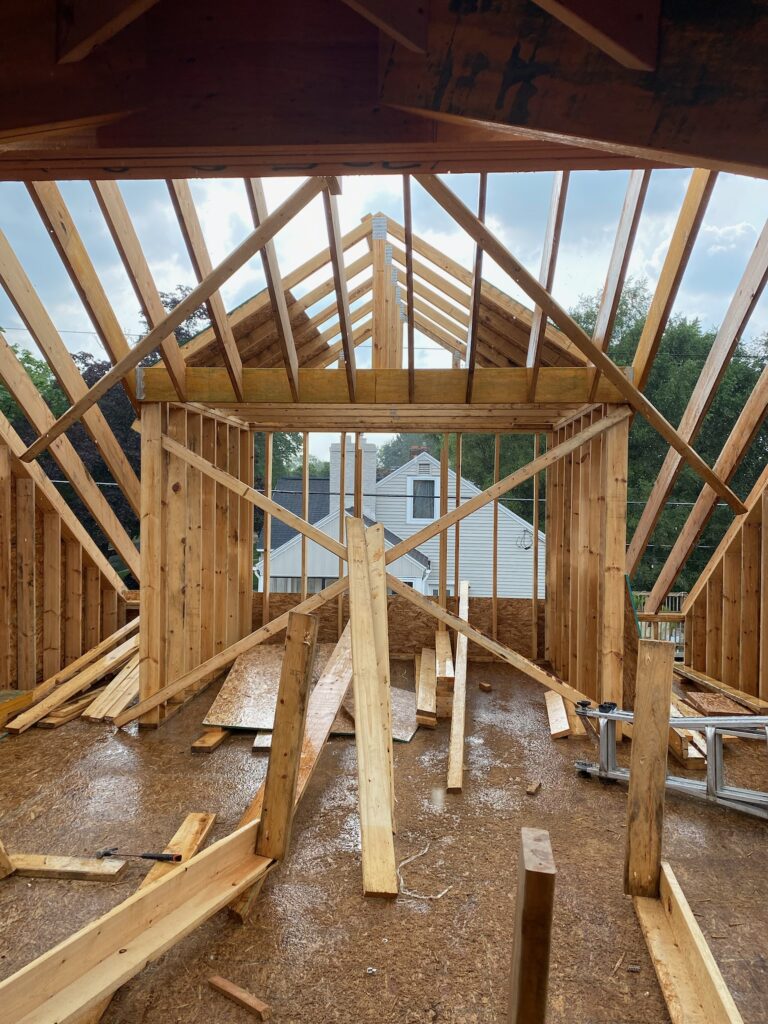
One of the greatest advantages of a home addition is the ability to customize the new space to suit your exact needs and preferences. Whether it’s a larger kitchen, an extra bedroom, a sunroom, or even a home office, an addition allows you to create a space that seamlessly integrates with your existing layout.
This level of personalization is harder to achieve with a new build unless you’re designing from scratch, which can be an expensive and time-consuming process. With an addition, you work with experienced contractors and designers to bring your vision to life in a way that complements your existing home’s style and structure.
3. Cost-Effective Compared to Building New
While home additions can be a significant investment, they are often more cost-effective than building a new house. When you choose to build new, you’re not just paying for the construction of the home; you’re also incurring costs for purchasing land, permits, and potentially higher property taxes.
An addition allows you to maximize the space you already own without the added expenses of starting from scratch. Furthermore, if your addition increases the value of your home, it can provide a substantial return on investment should you decide to sell in the future.
4. Avoid the Hassle of Moving
Moving to a new home is a time-consuming and often stressful process. From packing and organizing to hiring movers and settling into a new space, the transition can disrupt your family’s routine for weeks or even months.
By opting for an addition, you eliminate the need to uproot your life. You can most often stay in your home while the work is being done, ensuring a smoother and less disruptive experience. Plus, you won’t have to worry about adjusting to a new neighborhood or finding the perfect location all over again.
5. Increase Your Home’s Value
A well-planned addition can significantly boost your home’s market value. Features like an additional bedroom, a modernized kitchen, or an expanded living area can make your home more appealing to potential buyers if you decide to sell down the line.
Unlike building a new home, where costs can quickly spiral, an addition gives you control over your budget and allows you to focus on features that will provide the greatest value. Investing in high-quality materials and thoughtful design ensures your addition enhances both the functionality and aesthetics of your home.
6. Flexibility to Expand Over Time
When you choose to add on to your home, you’re not locked into one massive project. Home additions can be done incrementally, allowing you to tackle one phase at a time as your needs and budget evolve. This flexibility is especially valuable for families who anticipate growing needs but aren’t ready to commit to a full-scale renovation or move.
Building a new home, on the other hand, requires a large upfront investment and a longer timeline, leaving less room for adaptability as circumstances change.
7. Environmental and Community Benefits
Choosing to add on to your existing home can also be an environmentally conscious decision. By reusing your current structure and materials where possible, you reduce the need for extensive new resources and minimize construction waste.
Additionally, staying in your current home allows you to maintain your ties to your local community. Whether it’s supporting nearby businesses, keeping your kids in the same schools, or maintaining relationships with neighbors, staying put fosters stability and continuity.
8. Familiarity and Comfort
There’s a certain comfort in knowing the quirks and characteristics of your home. From the way sunlight streams into the living room to the creak of the stairs that you’ve grown used to, these small details make a house feel like home.
An addition allows you to retain these familiarities while improving the functionality and aesthetic of your space. Building new, while exciting, often comes with a steep learning curve as you adjust to an entirely new environment.
Wrapping It Up
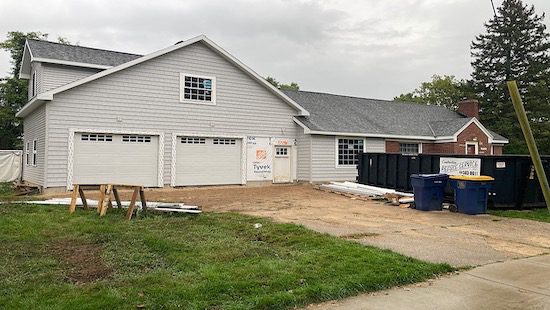
When deciding between adding on to your existing home or building a new one, the choice ultimately depends on your priorities, budget, and long-term goals. However, for many homeowners, a thoughtfully designed addition offers the best of both worlds: the ability to stay rooted in a place you love while gaining the extra space and modern functionality you need.
By preserving your home’s emotional value, customizing to your specific needs, and avoiding the stress of moving, an addition can enhance your quality of life in ways a new build simply can’t match. If you’re considering expanding your home, consult with a trusted remodeling professional to explore the possibilities and bring your vision to life.